Article: Does Merino Wool Itch? Why Fibre Diameter Matters
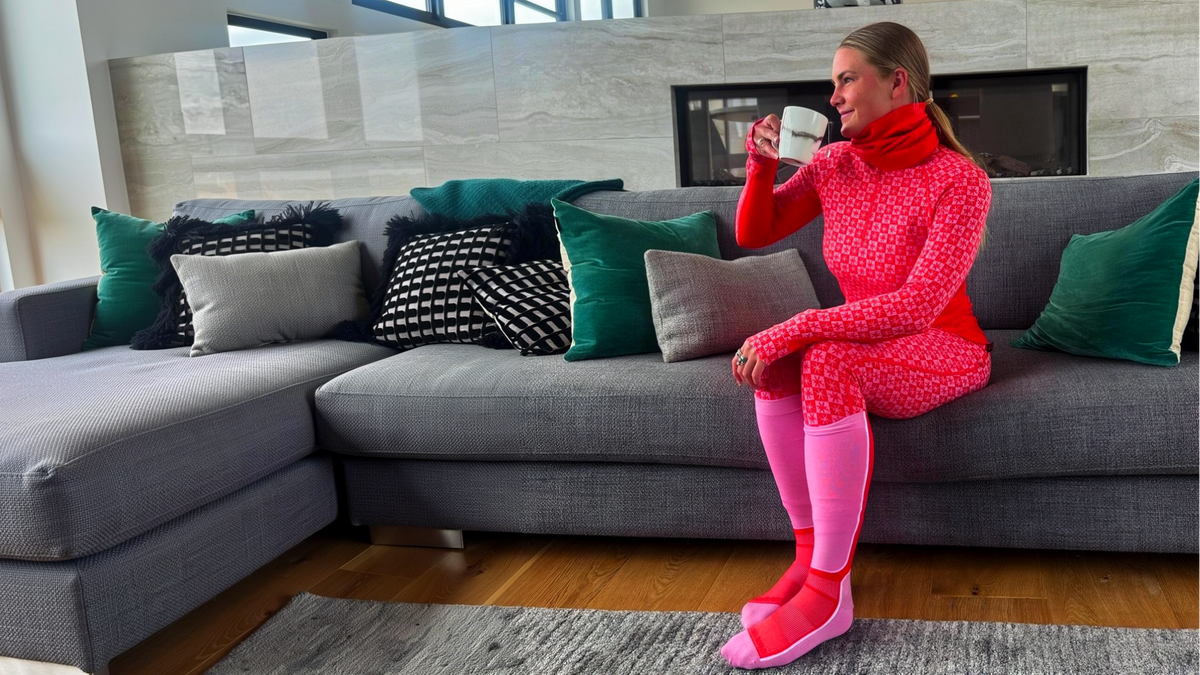
Does Merino Wool Itch? Why Fibre Diameter Matters
Remember the scratchy wool jumper from school? That familiar prickle is usually caused by coarse fibres pressing against the skin, rather than wool itself.
Some wool feels soft enough to wear directly against your body. Some makes you want to take it off within minutes. Both may be labelled 100% wool, but they can feel completely different.
One of the biggest reasons is fibre diameter, measured in microns.
Does merino wool itch?
For most people, fine merino wool is far less likely to feel itchy than coarse wool.
Fine merino fibres bend more easily when they touch the skin. Coarse fibres are stiffer and more likely to press into the skin, creating the mechanical sensation we recognise as prickle or itch. Fabric construction, seams, garment fit and individual skin sensitivity can also affect comfort.
That is why the word wool alone does not tell you how a garment will feel. The diameter of the fibre matters.
What is a micron in wool?
A micron, written as µm, is one millionth of a metre. In wool, it is used to describe the average diameter of the fibres.
The lower the micron number, the finer the fibre. Finer fibres generally feel softer because they flex more readily against the skin. Broader fibres are stiffer and are better suited to products where strength and structure matter more than next-to-skin softness.
Woolmark identifies merino below approximately 19.5 microns as particularly suited to next-to-skin garments such as base layers, underwear and fine knitwear.
Why does coarse wool prickle?
Coarse fibres do not bend as readily when they meet the skin. Their protruding ends are more likely to press against the skin and activate the nerve fibres associated with irritation.
A peer-reviewed review of a century of research found that wool-related irritation is associated with high fibre diameters, particularly around 30 to 32 microns and above. It also found no credible evidence that wool fibre itself is a skin allergen.
This does not mean every fibre below 30 microns will feel identical. Comfort exists on a scale and is influenced by fibre diameter, fabric construction, finishing, seams and the person wearing it. It does explain why a coarse school jumper and a superfine merino base layer can feel like entirely different materials.

What does 18.5-micron merino feel like?
Kunama base layers use 18.5-micron Australian superfine merino wool. At this diameter, the fibres are fine enough to bend readily against the body and are well suited to clothing designed to sit directly against the skin.
Our base-layer tops and leggings are made from 100% merino wool at 240gsm. GSM means grams per square metre and describes the weight of the fabric. The 240gsm fabric gives Kunama base layers substance and warmth for alpine conditions while remaining breathable.
The balance is deliberate: superfine fibre for next-to-skin comfort and a substantial fabric weight for cold mountain conditions.
Softness is not a coating we add later. It begins with the fibre we choose.
Is superfine merino suitable for sensitive skin?
Superfine merino can be comfortable for many people with sensitive skin, including people who have previously found coarse wool irritating. Individual reactions still vary, so no garment can promise universal comfort.
Research has also challenged the old assumption that everyone with eczema should avoid wool. In a randomised crossover study involving infants with mild-to-moderate atopic dermatitis, superfine merino garments of 17.5 microns or finer were well tolerated and were associated with improved eczema severity compared with the cotton clothing used in the study.
That study should not be read as a medical claim about every merino garment or every person with eczema. It does show why it is important to distinguish modern superfine merino from coarse wool.
At Kunama, we also hear from customers with very sensitive skin who say our 18.5-micron merino feels comfortable and does not give them the scratchy sensation they associate with ordinary wool. That is their genuine experience, but we still recommend a simple fabric touch test if you already know your skin reacts easily.
Place the fabric against the inside of your forearm or another sensitive area for several minutes before wearing it for a full day.
Is wool allergy the same as wool prickle?
No. Prickle is a physical response to stiff or coarse fibres pressing against the skin. An allergy is an immune response.
The peer-reviewed evidence does not support wool fibre itself as a skin allergen. Lanolin sensitivity is a separate issue and relates to wool wax derivatives, not the mechanical prickle caused by fibre diameter. Modern processed wool garments contain very little residual lanolin.
If you have a diagnosed allergy, eczema or an ongoing skin condition, follow the advice of your healthcare professional rather than relying on a clothing article.
Why does Kunama feel soft against the skin?
Three design choices work together.
1. Australian superfine merino
Kunama uses 18.5-micron merino, so the fibres bend more readily against the skin than coarse wool fibres.
2. Smooth interlock fabric
The merino is knitted into a smooth 240gsm interlock fabric designed to sit comfortably against the body while providing warmth for alpine conditions.
3. Flatlock seams
Flatlock seams lie flatter against the body than bulky conventional seams, helping reduce raised ridges that could rub while you move.
Fine fibre, smooth fabric and low-profile seams. Comfort is considered at every stage.
Why micron count matters when choosing a base layer
Micron count is one of the clearest indicators of how fine a wool fibre is, yet many garments do not state it.
Kunama does.
Our base-layer tops and leggings are made from 100% Australian superfine merino wool at 18.5 microns and 240gsm. Kunama garments carry Woolmark certification.
If an old wool jumper convinced you that all wool is scratchy, superfine merino is a genuinely different experience.
Feel it against your skin and let the fibre speak for itself.
Frequently asked questions
What is a micron in wool?
A micron is one millionth of a metre. In wool clothing, it describes the average diameter of the fibres. A lower micron number means a finer fibre.
What micron wool is soft enough for a base layer?
Woolmark identifies merino below approximately 19.5 microns as particularly suited to next-to-skin clothing. Kunama uses 18.5-micron Australian superfine merino in its base-layer tops and leggings.
Why does some wool itch?
Coarse fibres are stiffer and do not bend as easily against the skin. Their protruding ends can press into the skin and create a mechanical prickle sensation. Fabric structure, seams and personal sensitivity can also affect comfort.
Is merino wool itchy?
For most people, fine merino is far less likely to feel itchy than coarse wool because its fibres bend more readily against the skin. Individual sensitivity still varies.
Is merino wool suitable for sensitive skin?
Superfine merino can be comfortable for many people with sensitive skin. Research using garments of 17.5 microns or finer has also found that superfine merino may be well tolerated by some people with atopic dermatitis. Anyone with a diagnosed allergy or skin condition should follow professional medical advice.
What micron is Kunama merino?
Kunama base-layer tops and leggings use 18.5-micron Australian superfine merino wool. They are 100% merino, weigh 240gsm and carry Woolmark certification.
Ready to feel the difference?
Explore Kunama's 100% Australian superfine merino base layers, made with 18.5-micron wool for soft next-to-skin comfort.
Curious about how the same fibre performs on the mountain? Read Merino vs Synthetic: The Real Comparison for Snow Sports and Why Merino Regulates Temperature: And Why Your Base Layer Belongs Against Your Skin.
Sources
- PubMed: Debunking the Myth of Wool Allergy
- PubMed: Superfine sheep wool in infantile eczema, a randomised crossover study
- Woolmark: Why merino wool is soft
- Woolmark: Wool and eczema research
- Woolmark: Understanding the wool fibre and micron ranges
About Kunama Stories
Kunama Stories is our journal of ideas, adventures and insights into life in Australian merino. From layering advice and garment care to athlete stories and winter travel inspiration, each edition is designed to help you get more from every adventure.