Article: Why Merino Regulates Temperature: And Why Your Base Layer Belongs Against Your Skin
Why Merino Regulates Temperature: And Why Your Base Layer Belongs Against Your Skin
Too hot on the run. Freezing on the chairlift. Your base layer has to handle both, and merino is built to.
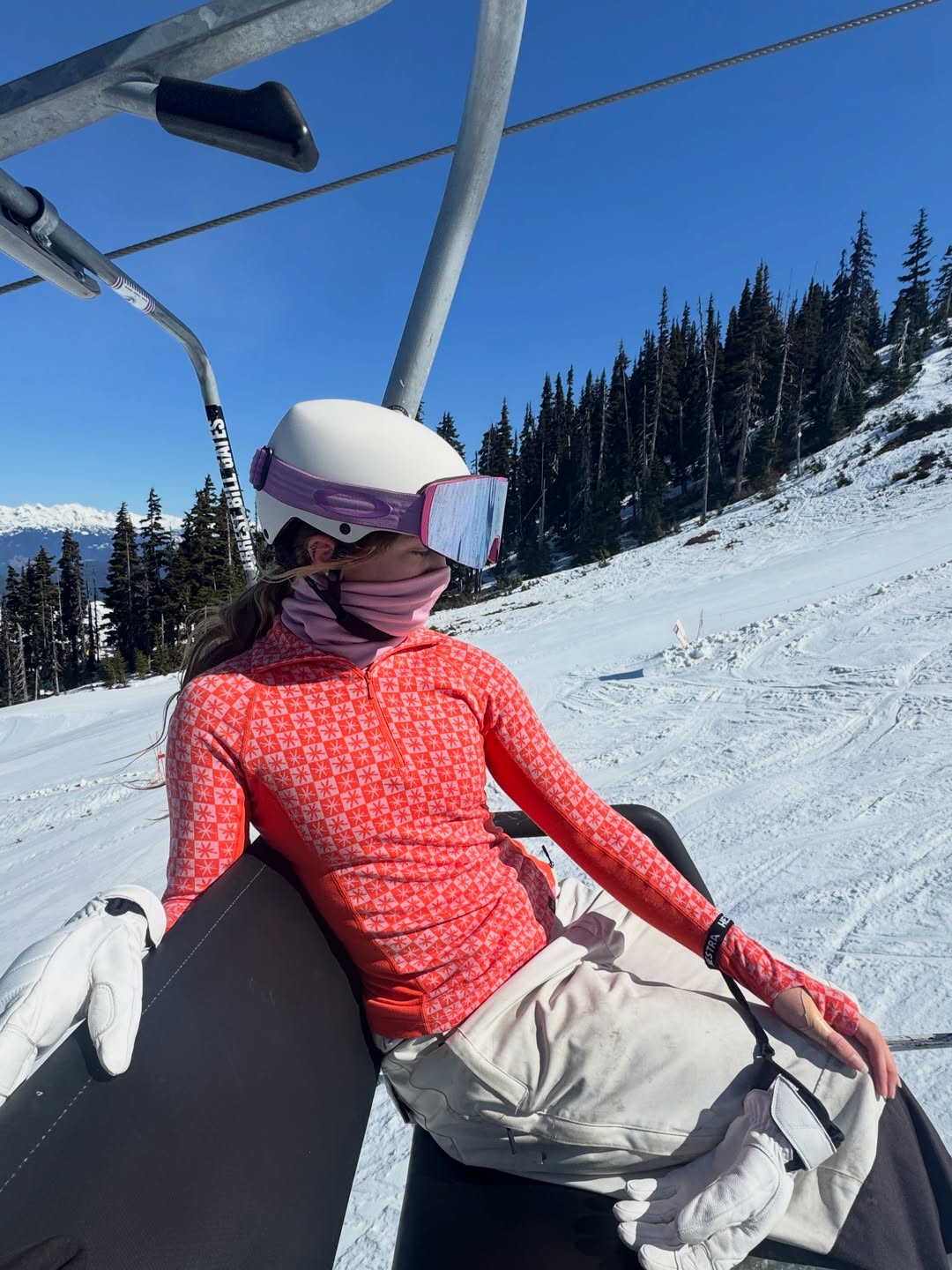
Skiing does strange things to your body temperature. You work hard coming down the mountain and heat up. You stop in the lift line. You sit still on a chairlift with cold air hitting you. A few minutes later, you are moving again.
Your base layer has to cope with all of it. That is where merino wool gets clever.
Does merino wool regulate body temperature?
Yes. Merino wool is naturally thermoregulating, which means it helps manage the heat and moisture in the small space between your skin and your clothing.
It does not simply keep you warm. When your body works hard, merino helps move heat and moisture away. When your activity slows, it helps hold a more stable environment next to your skin. This ability to respond as conditions change is known as dynamic breathability, and for the stop-start rhythm of a ski day, it matters.
The simple version is this: your clothing helps your body stay comfortable as you move between hot and cold, active and resting.
Merino fibres have a complex natural structure that absorbs moisture vapour and releases it into the surrounding air. Wool can hold up to a third of its own weight in moisture vapour without feeling wet, and it releases a little warmth as it does that work.
Research led by North Carolina State University for The Woolmark Company found merino delivered 96% better moisture buffering than polyester, and helped maintain a more stable next-to-skin environment during changing periods of activity and rest. You do not ski at one intensity all day, and your base layer should not behave as though you do.

Why should your base layer sit against your skin?
Because it is your base layer. It is designed to be the first clothing layer against your body, where it can manage that microclimate directly. For your Kunama top, that means your usual bra underneath, then Kunama against your skin.
SKIN > KUNAMA > WARMTH > SHELL
Your Kunama goes first. If you need more warmth, you build insulation over it. That lets the merino sit exactly where a base layer is designed to perform.
Should I wear a T-shirt underneath?
Generally, no. If you put a T-shirt underneath, that T-shirt becomes the fabric against your body, and your merino can no longer reach the moisture your skin produces.
Cotton is particularly unsuited to active winter days because it holds moisture. When your activity slows and that damp layer cools, it leaves you clammy, then cold. Start with your merino directly against your skin, and add warmth over the top when conditions call for it.

Will merino stop me overheating?
No garment can promise you will never overheat. Your activity, the temperature, wind, your insulation and how warm you naturally run all play a part.
But merino has a real advantage: it manages changing heat and moisture rather than simply acting as insulation. That same North Carolina State research found 100% merino base layers especially effective in dynamic, stop-start activity, helping reduce the uncomfortable after-chill when you stop. Think of working hard down a run, then sitting still on a chairlift. That transition is exactly why the layer against your skin matters.
For the fuller fibre comparison, read Merino vs Synthetic: The Real Comparison for Snow Sports.
How many base layers do I need?
Usually, start with one correctly fitted base layer. If you are cold, the answer is not another thermal underneath. Add insulation over your base layer instead.
Depending on the day, that might be Kunama, then an insulating mid layer, then your shell. On a warmer, active day, it might simply be Kunama and a shell. There is no perfect number for every skier or every day. Getting the order right matters more than the count.
How should a merino base layer fit?
Close to your body, without restricting your movement. It should not hang loosely away from your skin like a casual tee, but it should not feel painfully tight either. Kunama base layers are shaped specifically for women, with a close fit designed to sit against the skin and layer cleanly without bulk.
What makes Kunama merino comfortable next to skin?
Not all wool feels the same against bare skin. Kunama uses 100% Australian superfine merino wool at 18.5 microns and 240gsm.
A micron measures the diameter of a single wool fibre. The finer the fibre, the more easily it bends when it touches your skin, which is why fine merino feels nothing like the coarse, scratchy wool many of us remember. Our 240gsm weight gives the fabric substance and warmth for alpine conditions while staying breathable. No synthetic blend is needed.
Use your half zip
The half zip on your Kosci is not just there to look good. Working hard and warming up? Drop the zip and let heat escape. Wind picking up, or sitting on the chairlift? Zip it back up. Layering is not something you set once in the morning and forget. Adjust as your body and the mountain change.
Can I wear Kunama without a jacket?
Yes. Kunama is built as a technical base layer, but it was never meant to stay hidden. Your Snow Gum, Kosci and Brinda are designed for women, in colours worth showing, so they work just as well on their own for hiking, travel and après.
The simple layering rule
- Wear your Kunama directly against your skin.
- Add an insulating layer over it if conditions require more warmth.
- Finish with your protective ski shell or jacket.
- Adjust your layers and your zip as your activity and the weather change.
Kunama first. Everything else goes over it.
New to base layers? Start with Why Your Base Layer Is the Most Important Layer You'll Ever Choose.
Frequently asked questions
Should merino wool be worn directly against the skin?
Yes. A merino base layer is designed to sit next to your skin so it can manage the heat and moisture your body produces. For a Kunama top, wear your usual bra underneath and your Kunama directly over your skin.
Does merino wool regulate body temperature?
Merino wool is naturally thermoregulating. Its fibres absorb and release moisture vapour, helping hold a more stable environment next to your skin as your activity and surroundings change.
Can merino wool help when you sweat?
Merino can absorb moisture vapour from the body and release it into the surrounding air. Woolmark research has found 100% merino base layers provide strong moisture buffering during changing periods of activity and rest.
Should I wear a T-shirt underneath my merino base layer?
Generally, no. Your merino should be the layer closest to your body. If you need more warmth, add an insulating layer over it rather than a tee underneath.
Is merino good for skiing?
Yes. Skiing involves constant changes in effort, from working down a run to sitting still on a chairlift. Merino's ability to manage changing heat and moisture makes it especially well suited as a ski base layer.
What order should I wear my ski layers?
Keep it simple: skin, then Kunama, then warmth, then shell. Start with your Kunama against your skin, add an insulating mid layer if needed, then finish with your ski jacket or shell.
Kunama base layers are 100% Australian superfine merino wool, designed for women who want real performance without disappearing into a sea of black thermals.
Kunama first. Everything else goes over it.
Ready to feel the difference?
SHOP KUNAMA BASE LAYERSSources
- Woolmark: Merino wool thermoregulation research
- IWTO: How wool excels at sports, the thermoregulation advantage
- PubMed: Peer-reviewed research on post-exercise comfort in wool and other fibres
- Woolmark: Superfine merino wool and sensitive skin
About Kunama Stories
Kunama Stories is our journal of ideas, adventures and insights into life in Australian merino. From layering advice and garment care to athlete stories and winter travel inspiration, each edition is designed to help you get more from every adventure.